7 Brand Identity Mistakes Small Businesses Make
| Asto Brand Studio Team
A strong brand identity can be one of the most valuable assets a small business owns. It helps customers recognize your business, builds trust, differentiates you from competitors, and creates a memorable experience that drives long-term loyalty.
Unfortunately, many small businesses unknowingly make branding mistakes that weaken their market presence and limit their growth potential. While investing in a logo or website is important, brand identity extends far beyond visual design. It encompasses your messaging, customer perception, values, and overall brand experience.
In this article, we’ll explore the most common brand identity mistakes small businesses make and provide practical strategies to avoid them.
What Is Brand Identity?
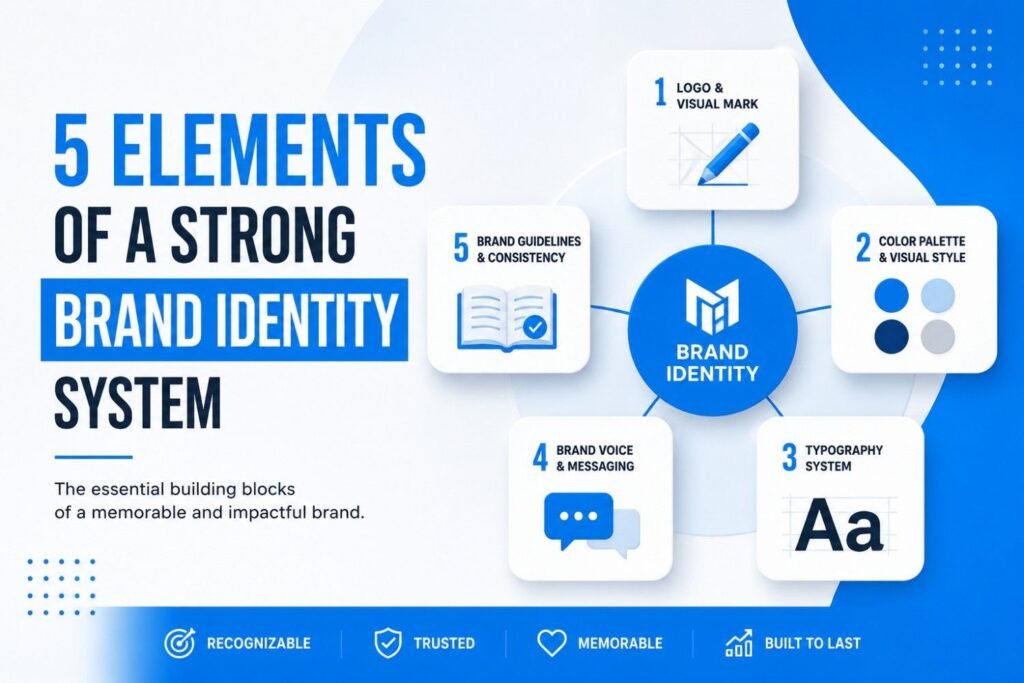
Brand identity is the collection of visual and strategic elements that represent your business. These include:
- Logo design
- Color palette
- Typography
- Brand voice
- Messaging
- Visual style
- Brand values
- Customer experience
Together, these elements create a consistent image that shapes how customers perceive your business.
A strong brand identity builds recognition and trust, while a weak or inconsistent identity can confuse potential customers and reduce credibility.
1. Thinking a Logo Is the Entire Brand
One of the biggest misconceptions among small business owners is believing that a logo alone defines their brand.
While a logo is an important visual asset, it is only one component of a much larger brand identity system.
Many businesses spend significant time choosing a logo but never define:
- Brand positioning
- Brand voice
- Target audience
- Core values
- Messaging strategy
As a result, their branding lacks direction and consistency.
How to Avoid It
Develop a complete brand strategy before focusing solely on visual design. Define who you serve, what you stand for, and how you want customers to perceive your business.
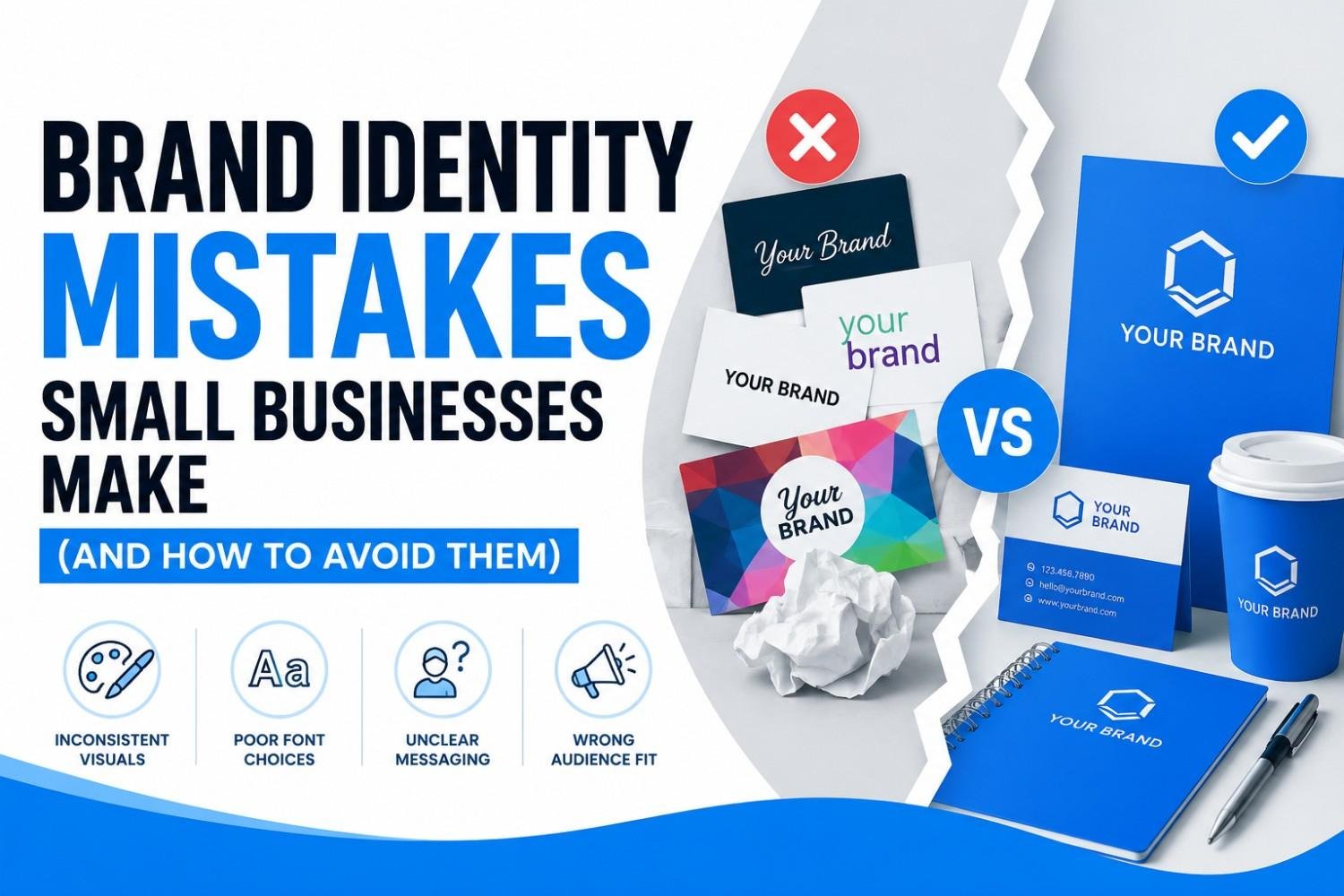
2. Inconsistent Visual Branding
Many small businesses use different colors, fonts, logo variations, and design styles across various platforms.
For example:
- One color scheme on the website
- Different colors on social media
- Multiple logo versions
- Inconsistent marketing materials
These inconsistencies make the brand appear unprofessional and difficult to recognize.
How to Avoid It
Create clear brand guidelines that define:
- Logo usage
- Brand colors
- Typography
- Image style
- Design standards
Consistency strengthens brand recognition and helps customers remember your business.
3. Trying to Appeal to Everyone
Many small businesses attempt to attract everyone, believing it will increase sales.
In reality, broad branding often results in generic messaging that resonates with nobody.
Strong brands understand exactly who they serve and tailor their identity around that audience.
How to Avoid It
Identify your ideal customer profile by understanding:
- Demographics
- Pain points
- Goals
- Buying behaviors
- Motivations
The more specific your audience, the stronger your brand positioning becomes.
4. Having No Clear Brand Voice
Visual branding gets attention, but communication builds relationships.
Many businesses sound different on every platform:
- Formal on their website
- Casual on social media
- Corporate in emails
- Inconsistent in advertisements
This creates confusion and weakens brand trust.
How to Avoid It
Establish a consistent brand voice by defining:
- Tone
- Personality
- Communication style
- Vocabulary preferences
- Customer interaction guidelines
Whether your brand is professional, friendly, innovative, or authoritative, consistency is key.
5. Copying Competitors
It’s natural to study competitors, but many small businesses make the mistake of directly copying their visual identity, messaging, or marketing style.
When brands look and sound alike, customers struggle to distinguish between them.
This removes your competitive advantage.
How to Avoid It
Focus on what makes your business unique.
Ask yourself:
- What do we do differently?
- What unique value do we provide?
- Why should customers choose us?
Build your brand around your unique strengths rather than mimicking others.
6. Ignoring Brand Positioning
A beautiful logo and professional website cannot compensate for weak positioning.
Brand positioning determines where your business sits in the minds of customers compared to competitors.
Without positioning, customers may not understand:
- What you offer
- Who you serve
- Why you’re different
- Why they should trust you
How to Avoid It
Create a clear positioning statement that defines:
- Target audience
- Core problem solved
- Unique solution
- Competitive advantage
Every branding decision should support this positioning.
7. Frequent Rebranding Without Strategy
Some businesses constantly change logos, colors, messaging, or visual styles whenever trends shift.
This prevents customers from developing familiarity with the brand.
Brand recognition is built through repetition and consistency over time.
How to Avoid It
Only rebrand when there is a strategic reason, such as:
- Business expansion
- New market positioning
- Outdated visual identity
- Company merger or acquisition
Avoid changing branding simply because you’re bored with it.
8. Neglecting the Customer Experience
Brand identity is not limited to visual elements.
Every customer interaction contributes to your brand perception.
This includes:
- Customer service
- Website usability
- Response times
- Product quality
- Follow-up communication
A polished visual identity cannot overcome poor customer experiences.
How to Avoid It
Align every customer touchpoint with your brand values and promises.
If your brand claims to prioritize customer service, ensure the experience reflects that commitment.
9. Failing to Create Brand Guidelines
Many small businesses operate without documented branding standards.
As teams grow, inconsistencies become inevitable.
Designers, marketers, and content creators may all interpret the brand differently.
How to Avoid It
Develop a comprehensive brand guideline document covering:
- Logo usage
- Colors
- Typography
- Messaging
- Photography style
- Social media standards
This ensures consistency across all marketing channels.
10. Focusing Only on Design and Ignoring Strategy
Perhaps the most costly branding mistake is treating branding as a design project rather than a business strategy.
Strong branding begins with:
- Market research
- Audience insights
- Competitive analysis
- Positioning
- Messaging
Visual identity should support strategy not replace it.
How to Avoid It
Build your brand from the inside out.
Start with strategy, then create visual elements that communicate that strategy effectively.
Why Brand Identity Matters for Small Businesses
A strong brand identity provides several competitive advantages:
- Builds trust and credibility
- Increases brand recognition
- Creates customer loyalty
- Supports higher pricing power
- Improves marketing effectiveness
- Differentiates your business from competitors
- Strengthens customer relationships
In crowded markets, branding often becomes the deciding factor between businesses offering similar products or services.
Final Thoughts
Most small business branding mistakes stem from one core issue: a lack of strategic thinking.
A successful brand identity is not simply a logo, color palette, or website design. It is a carefully crafted system that communicates who you are, what you stand for, and why customers should choose you.
By avoiding these common brand identity mistakes and focusing on consistency, positioning, messaging, and customer experience, small businesses can build stronger brands that attract customers, inspire trust, and support long-term growth.
Remember: customers may forget what you sell, but they rarely forget how your brand made them feel.

Asto Brand Studio Team
Asto Brand Studio is a creative agency specializing in branding, web design, and digital experiences. We help businesses build strong, strategic identities that stand out, connect with the right audience, and drive meaningful growth.
Asto Brand Studio Team
Asto Brand Studio is a creative agency specializing in branding, web design, and digital experiences. We help businesses build strong, strategic identities that stand out, connect with the right audience, and drive meaningful growth.